


Subtotal $0.00

AI Answer (80–100 words)
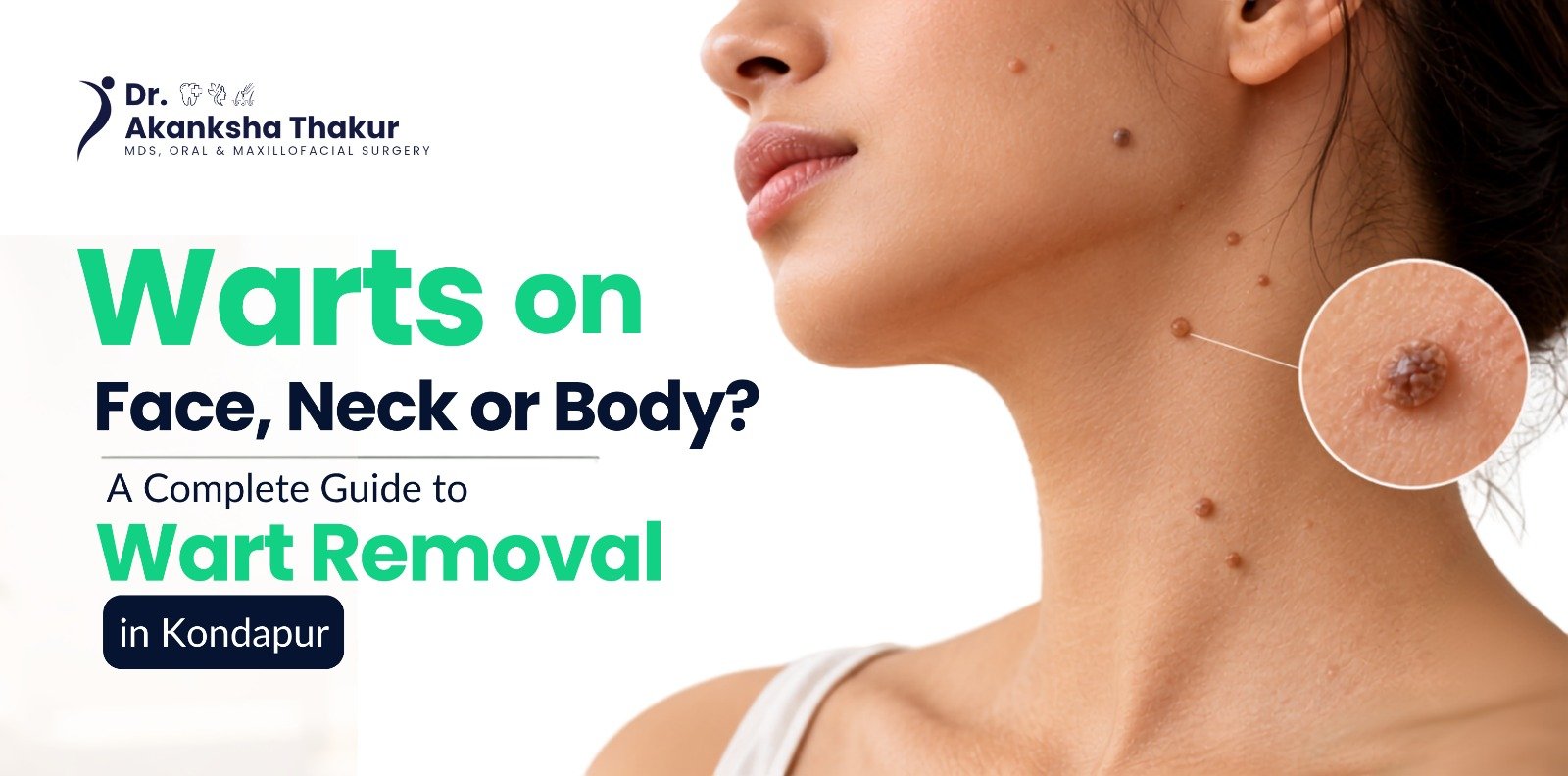
There is no single best way to remove every wart. Warts are skin growths caused by the human papillomavirus (HPV), and the right removal approach depends on where the wart is — face, neck, or body — along with its size, how long it has been there, and your skin’s response to treatment. Options range from topical salicylic acid and cryotherapy to surgical excision, electrocautery, or laser treatment. Facial and neck warts generally need more cautious handling than warts on the hands or feet, since visible skin carries a higher risk of marks or scarring. For wart removal in Kondapur, Hyderabad, a proper skin assessment is the first step.
Full Article
Introduction
A wart showing up on your face, neck, or hand is common, and rarely serious — but it’s still natural to want it gone, especially when it’s somewhere visible. The tricky part is that not every wart should be treated the same way. A small wart on a finger and a flat wart on the cheek call for very different levels of caution.
This guide walks through what warts actually are, why location matters more than most people realize, what removal options exist, and what to expect if you’re considering wart removal in Kondapur, Hyderabad.
What Are Warts and What Causes Them?
Warts are caused by the human papillomavirus (HPV). Common warts are caused by a virus and are transmitted by touch, and it can take two to six months for a wart to develop after the skin is exposed to it. There are more than 100 types of HPV, though only a few cause warts on the skin, and the virus usually enters through small breaks in the skin such as hangnails, scrapes, or cuts.
Not everyone who comes into contact with the virus develops a wart — each person’s immune system responds differently, which is part of why some people seem far more prone to warts than others.
What Do Warts Look Like? Common Types Explained
Warts don’t all look alike, and their appearance often depends on where they form:
- Common warts — small, grainy, rough-textured bumps, most often on the fingers or hands, sometimes with tiny black dots (clotted blood vessels).
- Plantar warts — hard, grainy growths on the heels or soles of the feet, often uncomfortable to walk on.
- Flat warts — smaller, smoother, and flat-topped; more common on the face and legs, appearing more often in children and teens than adults.
- Filiform and periungual warts — thread-like or clustered around the nails, often on the face or hands.
Genital warts are a distinct category caused by different HPV strains and are managed through sexual health services rather than general skin treatment — they’re not covered in this guide.
Are Warts Contagious? How They Spread
Yes — warts spread through direct skin-to-skin contact and indirectly through contaminated objects like towels, floors, or shared grooming tools. Skin that’s wet, damaged, or has small cuts is more susceptible to picking up the virus, and it’s also possible to spread a wart from one part of your own body to another — for instance, through nail-biting or picking at an existing wart.
Face, Neck or Body — Does Wart Location Change the Approach?
This is one of the most overlooked parts of wart care. Where a wart sits genuinely changes what’s appropriate:
- Hands and feet tend to have thicker skin, which is why over-the-counter treatments and in-clinic options like cryotherapy are more commonly tried first in these areas.
- Face and neck skin is thinner, more visible, and more prone to visible marks — pharmacy salicylic acid treatments are generally not recommended for the face because of the higher chance of irritation and scarring there. If a wart is on the face, professional evaluation is generally advised rather than self-treatment.
- Body folds and pressure areas may need a different removal technique depending on friction and how the wart is positioned.
In short, “how do I remove this wart” is really two questions: what kind of wart is it, and where is it — and the second question matters just as much as the first.
Will a Wart Go Away on Its Own?
Often, yes. Warts are usually harmless and, over time, go away on their own, though this can take a year or two, and new ones may develop nearby in the meantime. Many people choose to have warts removed anyway because they’re bothersome, embarrassing, or in a spot that gets irritated by clothing or shaving.
Whether to wait it out or treat it isn’t a purely medical decision — it also depends on where the wart is, how much it bothers you, and whether it’s spreading.
What Are the Options for Wart Removal?
There are several categories of wart removal, and the right one depends on the type, size, location, and how long the wart has been present:
- Topical salicylic acid — works by removing layers of the wart gradually; commonly used for warts on the hands and feet but generally avoided on the face.
- Cryotherapy (freezing) — liquid nitrogen is applied to freeze and destroy the wart tissue, which then blisters and sloughs off over about a week; often needs repeat sessions.
- Surgical excision, electrocautery, and laser treatment — in-clinic procedures where the wart tissue is physically removed, burned away, or targeted with laser energy. According to Dr. Akanksha Thakur’s moles, skin tags & warts removal page, these are the removal methods offered, chosen based on the individual growth being treated.
No single method works for everyone, and even effective treatments don’t guarantee the wart won’t return, since they remove the visible growth rather than curing the underlying viral infection.
Why Facial and Neck Warts Need Extra Caution
Visible skin behaves differently under treatment, and the evidence backs this up. In a randomized trial comparing cryotherapy with topical salicylic acid for cutaneous warts, side effects reported included pain, blistering, scarring, and changes in skin pigmentation — and a broader review of wart treatments similarly found that more aggressive cryotherapy carried a higher risk of these same effects.
This matters more for facial and neck warts for two reasons: the skin there is thinner and more visible, and in Indian and other medium-to-deep skin tones, post-inflammatory pigmentation after any skin injury — including wart treatment — tends to be more noticeable and can take longer to fade. This doesn’t mean facial warts can’t be treated; it means the technique, strength, and aftercare need to be chosen with more care than they might for a wart on the sole of the foot.
Is It Safe to Remove a Wart at Home?
For some warts on the hands or feet, over-the-counter salicylic acid or freezing products are reasonable to try, but there are clear limits. Home treatment isn’t advised on the face, and people with a weakened immune system or diabetes should check with a professional before treating a wart themselves. It’s also not advisable to try to cut, burn, or pick a wart off yourself, since this raises the risk of infection, bleeding, and scarring — and can spread the virus to surrounding skin.
What Can You Expect During In-Clinic Wart Removal?
While the exact approach depends on the wart type and the method chosen, in-clinic wart removal generally follows a similar pattern:
- Assessment — the wart is examined to confirm what it is, since some skin growths can resemble warts but aren’t.
- Preparation — the area is cleaned, and a topical anesthetic may be used depending on the method.
- Removal — using the chosen technique, such as electrocautery, laser, or surgical excision.
- Aftercare guidance — instructions on cleaning the area and protecting it from sun and friction while it heals.
This is a general description of how such procedures are typically carried out and isn’t a guarantee of any specific clinic’s exact protocol.
Wart Removal Recovery and Aftercare
Healing time depends on the method used and where the wart was. Aftercare generally involves:
- Keeping the treated area clean and dry as advised
- Avoiding picking at any scab or blister that forms
- Using sun protection on treated areas, especially on the face, to reduce the chance of visible marks
- Watching for signs of infection — increasing redness, swelling, warmth, or pus — and contacting your provider if these occur
- Following any specific instructions given for the removal method used
Can Warts Come Back After Removal?
Yes, warts can return or new ones can appear, because removal treats the visible growth rather than eliminating the HPV virus itself. This is true across almost every removal method, whether it’s topical treatment, freezing, or an in-clinic procedure. If a wart keeps recurring in the same spot despite treatment, that’s a reasonable reason to have it reassessed rather than repeating the same approach indefinitely.
When Should You See a Professional About a Wart?
It’s worth getting a proper skin assessment if:
- You’re not sure whether a growth is actually a wart
- The wart is painful, bleeding, or changing in appearance
- It’s on your face or genitals
- You have several warts, or they keep spreading
- You’ve tried treating it, but it persists, comes back, or gets worse
- You have a weakened immune system or a condition like diabetes
Self-diagnosing a growth as “just a wart” without checking can occasionally delay recognizing something that needs different attention, which is part of why an in-person look matters more than it might seem.
Why Consider Wart Removal in Kondapur, Hyderabad?
If a wart is on your face, neck, or somewhere visible, getting it properly assessed in person — rather than guessing from what it looks like — makes a real difference to how well it heals and whether it leaves a mark. When choosing where to have wart removal in Kondapur, it’s worth considering:
- Whether the wart is properly examined before any removal method is chosen
- Whether the provider explains why a particular method (excision, electrocautery, or laser) suits your specific wart
- Whether facial or neck warts are handled with extra caution around scarring and pigmentation
- Whether clear aftercare guidance is provided
Dr. Akanksha Thakur’s clinic in Kondapur, Hyderabad offers moles, skin tags, and warts removal using surgical excision, electrocautery, and laser treatment, chosen based on individual assessment. If a wart has left behind a dark mark after healing, that’s a separate concern from the wart itself — post-treatment marks are sometimes addressed through options like the clinic’s chemical peel treatments, depending on individual assessment.
How Much Does Wart Removal Cost in Kondapur, Hyderabad?
Wart removal pricing isn’t fixed and depends on several factors:
- The type and size of the wart
- The removal method used (excision, electrocautery, or laser)
- The number of warts being treated
- The location on the body — facial or neck warts often need more careful, sometimes slower techniques
- Whether more than one session is required
Because these factors vary from person to person, it’s best confirmed during a consultation rather than assumed from a general estimate.
FAQs
1. What causes warts on the face, neck, or body? Warts are caused by the human papillomavirus (HPV), which enters the skin through small breaks like cuts, hangnails, or scrapes. The virus triggers rapid growth of the skin’s top layer, forming the characteristic rough bump. Where the wart appears often depends on the HPV strain and where the skin was exposed.
2. Can warts go away on their own? Often, yes — many warts are harmless and resolve on their own over time, though this can take a year or two, and new ones may appear in the meantime. Whether to wait or treat it usually comes down to how bothersome it is, where it’s located, and whether it’s spreading.
3. Is it safe to remove a wart at home? For some warts on the hands or feet, over-the-counter treatments can be reasonable, but they’re not recommended on the face, and people with diabetes or a weakened immune system should check with a professional first. Cutting, burning, or picking at a wart yourself raises the risk of infection and scarring.
4. Does removing a wart leave a scar? It can, depending on the method used, the wart’s size, and your skin’s healing response. Studies on wart treatments have found scarring and pigmentation changes among the possible side effects, particularly with more aggressive freezing techniques — which is one reason facial and neck warts need more careful handling.
5. How is a wart different from a skin tag or mole? Warts are caused by a virus and have a rough, sometimes grainy surface. Skin tags are soft, small flaps of skin usually caused by friction. Moles are pigmented spots formed by clusters of pigment-producing cells. All three can look similar at a glance, which is why a proper examination matters before removal.
6. Do warts come back after removal? Yes, they can. Removal treats the visible growth, not the underlying HPV virus, so recurrence or new warts nearby are possible with almost any removal method. If a wart keeps returning in the same spot, it’s worth having it reassessed.
7. When should I see a professional about a wart? See a professional if you’re unsure whether a growth is a wart, if it’s painful, bleeding, or changing, if it’s on your face, if you have several warts, or if home treatment hasn’t worked after a reasonable trial. A weakened immune system or diabetes is also a reason to get it checked rather than self-treating.
8. How much does wart removal cost in Kondapur? Cost depends on the wart’s type, size, and location, the removal method used, and how many sessions are needed. Since these vary by individual case, it’s best discussed directly during a consultation.


