


Subtotal $0.00

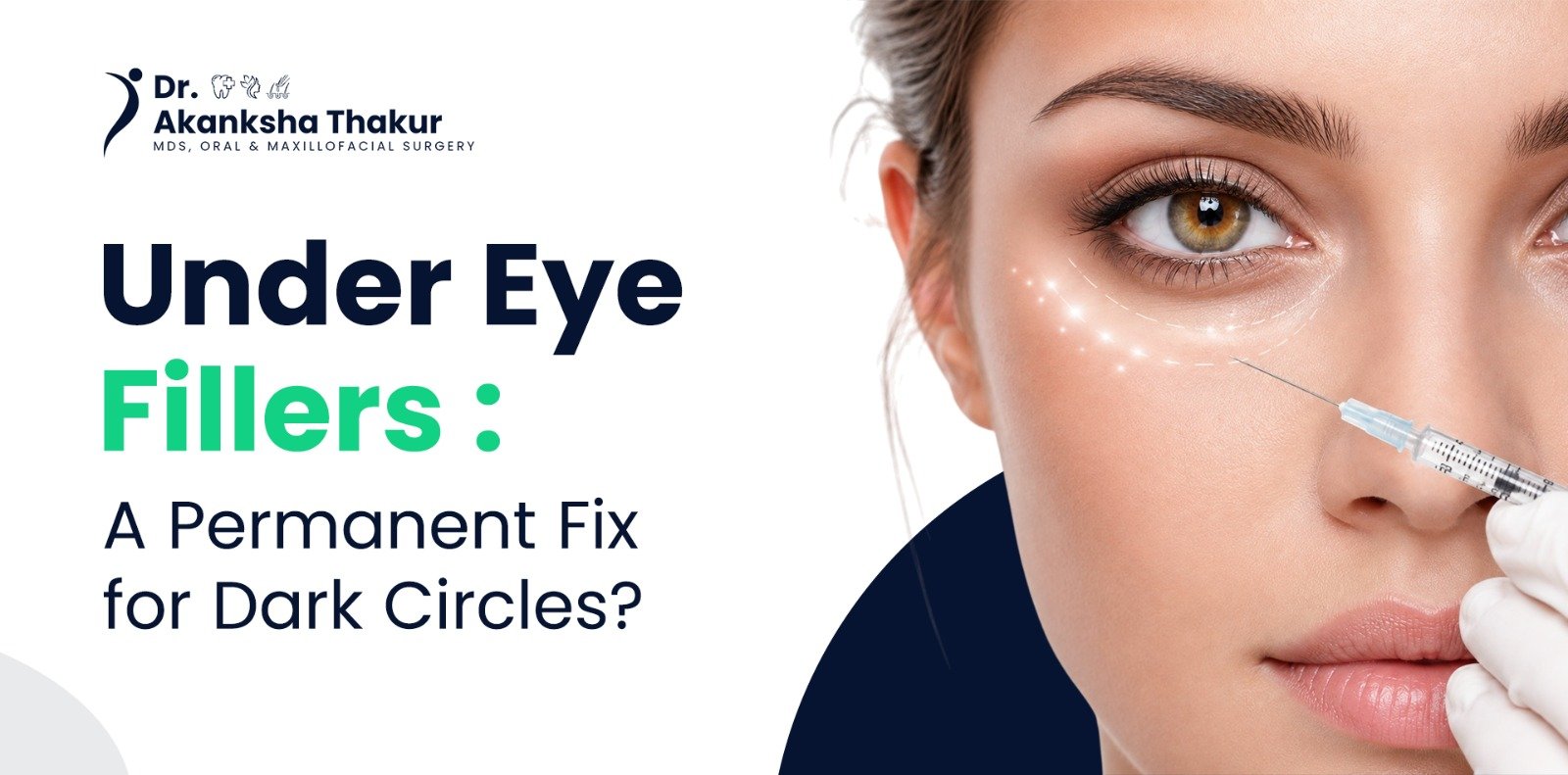
You wake up after a full night of sleep and your under eye area still looks tired and shadowed. This can be confusing, since you did everything right. Dark circles do not always mean you need more rest. For many people, the real cause is lost volume under the skin, not fatigue, which is why creams and extra sleep often do not fix the problem on their own. Under eye fillers have become a popular non surgical option to soften this shadow, but before you book an appointment, you should know exactly what they can and cannot do.
Under eye fillers are not a permanent fix for dark circles. They use a hyaluronic acid gel to restore lost volume under the eyes, which softens the shadow that causes dark circles. Results usually last between nine and twelve months before the body slowly absorbs the gel. Filler works best when the dark circle comes from hollowing, not from skin pigmentation. A proper consultation helps determine whether under eye filler is the right option, since treatment depends on whether the cause is hollowing, pigmentation, or a mix of both.
Key takeaways
- Under eye fillers are temporary, not permanent.
- They work best for hollow tear troughs, not pigmentation.
- Most results last around 9 to 12 months.
- A proper diagnosis is essential before treatment, since the wrong cause means the wrong fix.
- Surgery may be a better option for significant under-eye bags or loose skin.
What causes dark circles under the eyes in the first place?
Dark circles do not have one single cause. Many people assume it is only about sleep, but the real picture is more layered.
As you age, the fat pad that sits under your eyes can shrink and shift downward. This creates a hollow area called the tear trough. Light falls into this hollow and creates a shadow, which you see as a dark circle even if your skin tone has not changed at all.
Thin skin is another factor. The skin under the eyes is some of the thinnest skin on the body. When it is very thin, the blood vessels underneath show through more easily, giving a bluish or purplish tint. Genetics also plays a strong role, since some families simply have deeper set eyes or thinner under eye skin from a young age.
Pigmentation is a separate cause entirely. This happens when the skin itself produces extra melanin in that area, giving a brown or darker tone that has nothing to do with volume loss. Lifestyle habits such as poor sleep, high salt intake, allergies, and screen strain can make any of these causes look worse, but they rarely create dark circles on their own in someone who is not already prone to them. Knowing your actual cause matters, because it decides whether filler will even help you. Our dermal fillers page covers how this assessment works in more detail.
How do under eye fillers actually reduce dark circles?
Under eye filler, often called tear trough filler, uses a smooth hyaluronic acid gel. A trained provider injects this gel into the hollow area beneath your eye. Hyaluronic acid is a substance your body already makes naturally, so it blends into the tissue rather than sitting on top of it.
Once injected, the gel adds volume back into the hollow. This lifts the skin gently and creates a smoother, more even transition between your lower eyelid and your cheek. With the hollow filled in, there is less of a pit for light to fall into, so the shadow that reads as a dark circle becomes much softer or disappears.
The FDA lists under-eye hollows as one of the approved uses for dermal fillers, along with lips, cheeks, chin, and the jawline, when the product is used by a trained professional. This is an important point, because not every filler on the market is meant for this delicate area, and using the wrong product here carries real risk.
It is worth repeating that filler treats the shadow from volume loss. It does not lighten skin that is dark because of pigmentation. If your circles are more brown than shadowed, filler alone will disappoint you, and a chemical peel or targeted pigmentation treatment may work better.
Are under eye fillers a permanent solution for dark circles?
This is the question most people actually want answered, and the honest answer is no.
Hyaluronic acid fillers are designed to be temporary. Your body slowly breaks down and absorbs the gel over time. Under the eyes, where the skin moves constantly with blinking and facial expression, results generally last between nine and twelve months. Some patients see the effect fade sooner, especially if they have a fast metabolism or a very active lifestyle.
The FDA has approved only one dermal filler material that is not absorbed by the body, and it is not recommended or approved for the thin, sensitive under eye area. Permanent fillers placed near the eyes carry a much higher risk of lumps, visible bulging, and long term complications, so most trained injectors avoid them here entirely.
This means under eye filler is best understood as a maintenance treatment, not a cure. To keep the result, most patients return for a touch up once a year. If you stop the treatment, your under eye area will gradually return to how it looked before, since the gel simply gets absorbed and nothing was permanently changed in your tissue. If you want a result closer to permanent, surgery is the option that comes closest, which we cover further down.
Who is a good candidate for under eye filler, and who is not?
The best candidates are people whose main issue is hollowing, meaning a visible dip or shadow under the eye rather than brown discoloration. People in generally good health, with realistic expectations about how long results last, tend to be happiest with the outcome.
Filler is usually not the right choice for people whose dark circles come mainly from pigmentation, since the treatment cannot lighten skin tone. It is also not advised for anyone with an active skin infection near the eyes, a known allergy to hyaluronic acid products, or a bleeding disorder that is not well controlled. Pregnant or breastfeeding women are usually advised to wait, and anyone expecting a permanent result in one sitting should reconsider before proceeding.
How can you check at home if hollowing is your main cause?
Sit in front of a mirror in good natural light. Gently press or stretch the skin just below your dark circle toward your cheek. If the shadow visibly lightens or disappears when you do this, your dark circle is likely caused by hollowing, and filler has a good chance of helping. If the color stays dark brown no matter how you stretch the skin, pigmentation is probably the bigger factor, and a skin specialist should guide you toward a different treatment instead. This simple check will not replace a proper consultation, but it gives you a realistic idea of what to expect before you walk into a clinic.
How should you prepare before and after under eye fillers?
Good preparation lowers your risk of bruising and helps the result settle faster. In the week before your appointment, avoid blood thinning substances such as aspirin, fish oil, and excess alcohol unless your doctor has told you to stay on them for a medical reason. Come to your appointment with clean skin and no eye makeup, and mention any medications or allergies during your consultation.
After the injection, apply a cold compress in short intervals for the first day to control swelling. Sleep with your head slightly raised for the first few nights, since this reduces fluid buildup around the eyes. Avoid strenuous exercise, saunas, and alcohol for about 48 hours, since these can all increase swelling and bruising. Wait at least a day before applying makeup to the treated area, and avoid rubbing or pressing on the site so the filler settles evenly. Most people can return to normal daily activities right away, with only minor visible swelling for the first few days.
When should you choose surgery instead of under eye fillers?
Filler works well for shadowing caused by hollowing, but it cannot fix everything. If your main concern is puffy under-eye bags caused by fat that pushes forward, or loose, sagging skin, filler may not give you the result you are hoping for, since it adds volume rather than removing excess tissue.
In these cases, a surgical option called blepharoplasty is usually a better fit. The American Society of Plastic Surgeons describes blepharoplasty as a procedure that removes or repositions excess fat and tightens loose skin around the eyes, which addresses the structural cause directly rather than adding volume on top of it. This makes surgery a longer lasting option for people with significant bagginess or skin laxity, though it involves downtime and a surgical consultation that filler does not require.
A simple way to think about it: filler restores volume you have lost, while surgery removes or repositions tissue you have too much of. If you are not sure which category you fall into, a consultation with a qualified provider can tell you clearly before you commit to either option.
What are the risks and side effects of under eye fillers?
Most side effects from under eye filler are mild and temporary. Swelling, bruising, redness, and slight tenderness are common in the first few days and usually settle within one to two weeks.
Less common but more noticeable problems include small lumps under the skin and a condition called the Tyndall effect, where the filler sits too close to the surface and creates a bluish tint that can last months. Some patients also experience a puffy look years after treatment, when small amounts of the gel shift position under the skin.
Rare but serious complications do exist. The FDA warns that filler entering a blood vessel can cause vision changes, skin discoloration, or stroke like symptoms, and advises seeking immediate medical attention if these occur during or after treatment. This is precisely why the skill and experience of your injector matters far more than the brand of filler used.
How does filler compare with other dark circle treatments?
No single treatment works for everyone, since the right choice depends on your actual cause. The table below gives you a simple side by side view.
| Treatment | Results Last | Invasiveness | Best For |
|---|---|---|---|
| Hyaluronic acid filler | Around 9 to 12 months | Minimally invasive, injection only | Hollowing and shadow based dark circles |
| PRP (platelet rich plasma) | Around 3 to 6 months | Minimally invasive, uses your own blood | Thin skin and mild volume loss |
| Blepharoplasty (surgery) | Many years, often long term | Surgical, with downtime | Significant fat pads, bags, or loose skin |
| Topical creams and skincare | Weeks, needs ongoing use | Non invasive | Mild pigmentation and early prevention |
Filler sits in a comfortable middle ground. It works faster than skincare and carries far less downtime than surgery, but it is not a one time fix the way blepharoplasty can be for the right candidate. For general volume loss and skin quality concerns beyond just the eyes, our skin rejuvenation treatments may also be worth discussing during your consultation.
How much does under eye filler cost and how long between touch-ups?
Under eye filler generally costs less than surgical options like blepharoplasty, since it needs no operating room, anesthesia, or recovery time off work. It typically costs more than topical treatments or over the counter creams, simply because it involves a medical procedure performed by a trained injector using a regulated product. Most patients plan for a touch up appointment once every nine to twelve months to maintain the look, though this can vary based on metabolism, lifestyle, and how much filler was used initially.
Pros and cons of under eye fillers for dark circles
Pros
Most patients notice a smoother, brighter under eye area almost immediately after the swelling settles, without needing weeks of recovery. Unlike surgery, you can usually return to normal activities within a day or two, which makes it easier to fit into a busy schedule. Hyaluronic acid filler can also be dissolved with an enzyme if you are unhappy with the result, which gives you more control than a permanent procedure would.
Cons
Under eye filler is not a true permanent fix, so you will need repeat appointments roughly once a year to maintain the result, which adds up in both time and cost. It also does not treat pigmentation, so if brown discoloration is your main concern, you may be disappointed with the outcome. Bruising and swelling are common and mild, but rare complications like vascular blockage make provider choice extremely important.
Frequently asked questions
Q: Is under eye filler safe?
A: Under eye filler is generally safe when performed by a trained and experienced injector using an approved product. Most side effects are mild, such as bruising or swelling. Serious complications are rare but possible, which is why choosing a qualified provider matters more than almost any other factor in this treatment.
Q: How long does under eye filler last for dark circles?
A: Most patients see results last between nine and twelve months before the hyaluronic acid gel is gradually absorbed by the body. This can vary depending on your metabolism, activity level, and the specific product used by your injector during treatment.
Q: Can dark circles come back after filler wears off?
A: Yes, dark circles typically return once the filler is fully absorbed, since the underlying hollow reappears. This is why under eye filler works best as an ongoing maintenance treatment rather than a single permanent solution to the problem.
Q: Does filler work on pigmented dark circles?
A: No, filler only corrects the shadow caused by hollowing or volume loss. It cannot lighten skin that is dark due to excess pigment. Pigmented dark circles usually need topical treatment, chemical peels, or laser therapy for real improvement instead.
Q: What happens if I stop getting filler touch-ups?
A: Your under eye area will gradually return to how it looked before treatment as the gel is absorbed. Nothing about the treatment is permanent, so stopping simply means the hollow and its shadow will reappear over the following months.
A note from Dr Akanksha Thakur’s clinic
Choosing the right treatment for dark circles starts with an honest assessment of the actual cause, not just the visible symptom. At the clinic of Dr Akanksha Thakur in Kondapur, Hyderabad, every under eye consultation begins with identifying whether hollowing, pigmentation, or a mix of both is behind your dark circles. This helps avoid wasted time and money on treatments that were never going to work for your specific case. The focus stays on safe, realistic results rather than promises that sound too good to be true.
Ready to find out what is really causing your dark circles?
A short consultation can tell you far more than another late night search ever will. Book your consultation with Dr Akanksha Thakur’s clinic in Kondapur, Hyderabad, and get a treatment plan built around your actual skin, not a generic solution.


